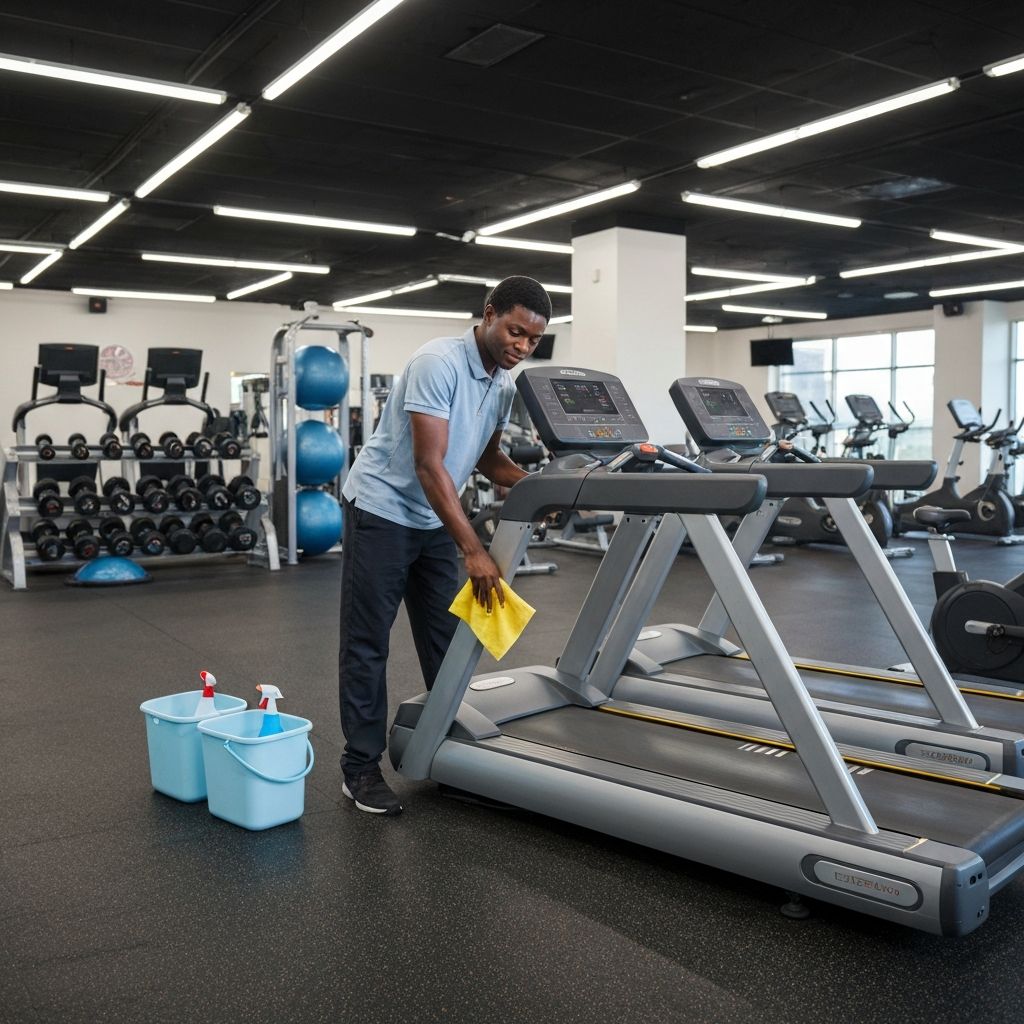
Few commercial environments concentrate contamination the way a gym does. Warm, humid air, heavy sweat, high-touch equipment, and hundreds of members cycling through shared surfaces create ideal conditions for bacteria, viruses, and fungi to spread. Members increasingly judge a facility on how clean it feels, and a single outbreak of skin infection or a viral illness traced to a location can do lasting reputational damage. Preventing equipment contamination in a fitness center is a disciplined, systematic process, not a quick wipe-down at closing.
Understanding the Contamination Risk
Gym surfaces are a known reservoir for pathogens. Studies of fitness equipment routinely find bacteria including staphylococcus on free weights, machines, and mats, and gyms are a recognized transmission setting for community-associated skin infections such as MRSA, as well as fungal infections like athlete's foot and ringworm. Sweat, warmth, and shared skin contact are exactly what these organisms need. The high-touch nature of the environment means one contaminated dumbbell or cardio console can pass an organism to dozens of people in a day.
High-Priority Surfaces and Equipment
Effective gym cleaning starts by identifying and prioritizing the surfaces that carry the most risk and get touched most often.
- Cardio equipment touchpoints: Treadmill handrails, console buttons, and heart-rate grips are among the most frequently touched surfaces in any gym and need attention multiple times per day.
- Free weights and machine grips: Dumbbells, barbells, kettlebells, and machine handles are handled by nearly every member and are chronically under-cleaned.
- Mats and benches: Yoga mats, stretching areas, and upholstered benches absorb sweat and are direct skin-contact surfaces, making them prime sites for fungal and bacterial transfer.
- Locker rooms and showers: Warm, wet environments are the highest-risk zones for fungal infection and require frequent disinfection of floors, benches, and fixtures.
Cleaning vs. Disinfecting: Getting It Right
These are two distinct steps, and skipping the first undermines the second. Cleaning removes sweat, oils, and organic soil from a surface; disinfecting kills the pathogens that remain. A disinfectant applied over a layer of sweat and grime is far less effective because the organic material shields the microbes. The correct sequence is to clean first, then apply an EPA-registered disinfectant. Just as importantly, staff must honor the product's dwell time, the number of minutes the surface must stay visibly wet for the disinfectant to work. Wiping a surface dry immediately after spraying is one of the most common and costly mistakes in gym cleaning.
Building a Contamination-Prevention Routine
Throughout the Day
Provide accessible member wipe stations and, critically, don't rely on them alone. Staff should disinfect high-touch cardio and machine touchpoints on a rolling schedule during operating hours, not just at close.
Daily Deep Clean
After hours, every piece of equipment, all mats, benches, and free weights should be cleaned and disinfected. Locker rooms and showers should be scrubbed and disinfected daily, with attention to floors and drains where moisture collects.
Periodic Deep Treatment
Floors, especially rubberized gym flooring and locker room tile, benefit from periodic machine scrubbing. Upholstered equipment and mats should get deeper periodic treatment to address absorbed sweat and odor that surface wiping can't reach.
Air, Moisture, and Odor
Contamination control in a gym isn't only about surfaces. Humidity control and ventilation limit the moisture that fungi and bacteria depend on, and proper cleaning of floors and mats addresses the odor that members associate with an unclean facility. Managing moisture in locker rooms and showers is one of the most effective ways to prevent fungal problems before they start. Odor itself is often a signal of bacterial buildup in flooring, mats, and upholstery rather than just a cosmetic complaint, so persistent smells should be treated as a cleaning problem to solve rather than a fragrance to mask.
Documenting and Communicating Your Cleaning
Members can't see the effort that goes into disinfecting after hours, so a visible cleaning presence during operating hours builds trust and reassures them the facility takes their health seriously. Keeping cleaning logs, stocking member wipe stations consistently, and having staff visibly disinfect equipment sends a clear message. It also protects the business by creating a documented record of diligence should a contamination concern ever be raised.
Professional Gym Cleaning in Naperville
Keeping a fitness center genuinely sanitary requires the right products, correct dwell times, and a consistent schedule that covers high-touch surfaces throughout the day, not just overnight. Naperville Janitors specializes in high-traffic, high-contact environments and has spent more than a decade helping fitness centers, studios, and recreation facilities across Naperville and the surrounding suburbs protect their members and their reputation. We use EPA-registered disinfectants applied the right way and build schedules around your peak hours. Contact our team for a free assessment and quote, and give your members a facility they can trust.