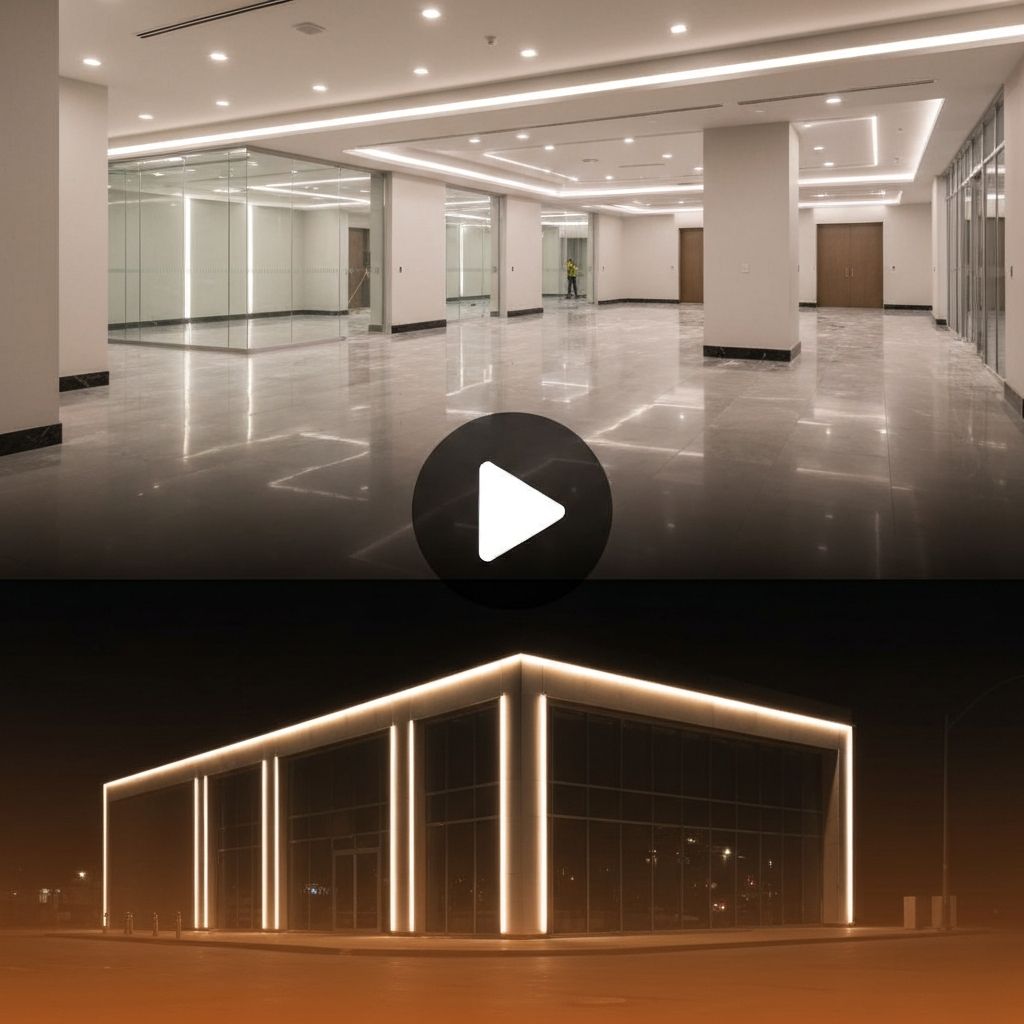
When a commercial build-out or renovation wraps, the space almost never looks ready for occupancy. Drywall dust settles into every crevice, adhesive residue clings to windows, and fine particulate coats HVAC vents and light fixtures long after the last contractor leaves. Post-construction cleaning is the specialized process that transforms a finished-but-filthy job site into a clean, safe, move-in-ready facility. It's more demanding than routine janitorial work, and doing it right protects both your finishes and the health of everyone who will use the building. This guide walks through the phases, the hazards, and what to expect from a professional crew.
Why Post-Construction Cleaning Is Its Own Discipline
Standard commercial cleaning assumes a space that's already in service. Post-construction cleanup starts from a fundamentally dirtier baseline and involves debris and residues that ordinary janitorial routines aren't equipped to handle. Construction dust is not just unsightly. Silica-containing drywall and concrete dust is a recognized respiratory hazard, and OSHA regulates worker exposure to respirable crystalline silica under its dedicated standard. Fine particulate also migrates into ductwork and can circulate through a building for weeks if it isn't addressed at the source. The work requires specialized equipment, sequencing, and personal protective equipment that general cleaning doesn't.
The Three Phases of Post-Construction Cleaning
Phase 1: Rough Clean
The rough clean happens once the major trades finish but before final finishes go in. The goal is bulk debris removal so that painters, flooring installers, and finish carpenters can work in a cleaner environment.
- Debris removal: leftover materials, packaging, offcuts, and trash hauled out.
- Sweeping and initial dust knockdown: floors and horizontal surfaces cleared of the heaviest accumulation.
- Sticker and label removal: stripping manufacturer labels from windows, fixtures, and appliances before residue bakes on.
Phase 2: Final Clean
This is the detailed, top-to-bottom clean that makes the space presentable. Crews work from the ceiling down so that dust dislodged from high surfaces isn't redeposited on already-cleaned areas.
- High-to-low dusting: vents, light fixtures, ledges, door frames, then walls and baseboards.
- Glass and window cleaning: removing adhesive, paint overspray, and dust film from interior glass and frames.
- Fixture and surface detailing: cabinets wiped inside and out, countertops, switch plates, and hardware polished.
- Floor care: vacuuming with HEPA-filtered equipment, then mopping or the appropriate treatment for the specific flooring.
Phase 3: Touch-Up Clean
After final finishes cure and any last trades pass through, a touch-up pass catches fingerprints, scuffs, and dust that resettled. This phase is often timed just before the client walkthrough or occupancy so the space debuts spotless.
Safety and Compliance on the Job
A post-construction site carries hazards that ordinary offices don't. Professional crews plan for them rather than improvising.
- Respiratory protection: HEPA-filtered vacuums capture fine dust rather than recirculating it, and respirators protect workers where silica exposure is a concern under OSHA's standard.
- Chemical handling: adhesive removers and heavy-duty degreasers fall under OSHA's Hazard Communication requirements, so trained crews follow Safety Data Sheets and use appropriate ventilation and PPE.
- Debris and sharps: nails, screws, glass, and metal offcuts are common, so proper disposal and foot protection matter.
- Waste diversion: where possible, cardboard, metal, and clean fill are separated for recycling in line with EPA construction and demolition waste guidance.
Protecting Your New Finishes
The fastest way to damage a brand-new build is to clean it wrong. Freshly installed surfaces are vulnerable, and the wrong product or pad can leave permanent marks. A knowledgeable crew matches methods to materials: pH-neutral cleaners on natural stone and sealed concrete, non-abrasive pads on stainless and glass, and manufacturer-approved treatments on new resilient flooring, which often shouldn't be aggressively scrubbed or coated until it has fully acclimated. Getting this right the first time avoids costly refinishing later.
Planning and Timing
Post-construction cleaning should be scheduled into the project timeline, not treated as an afterthought. Coordinate the final clean after the last dust-generating trade but before furniture and equipment arrive. Communicate access, power, water availability, and any areas that are off-limits. Building in a day or two of buffer before the occupancy walkthrough gives everyone room to address surprises without delaying move-in.
Ready to Open Your Naperville Space With Confidence
A renovation or new build is a major investment, and the final cleaning is what lets it show at its best on day one. Naperville Janitors has handled post-construction turnovers for offices, medical suites, and industrial facilities across Naperville and the surrounding suburbs for more than ten years, with crews trained in dust control, finish-safe methods, and job-site safety. If you have a project wrapping up, reach out for a free quote and a timeline that fits your construction schedule, so your space is genuinely move-in ready when the doors open.