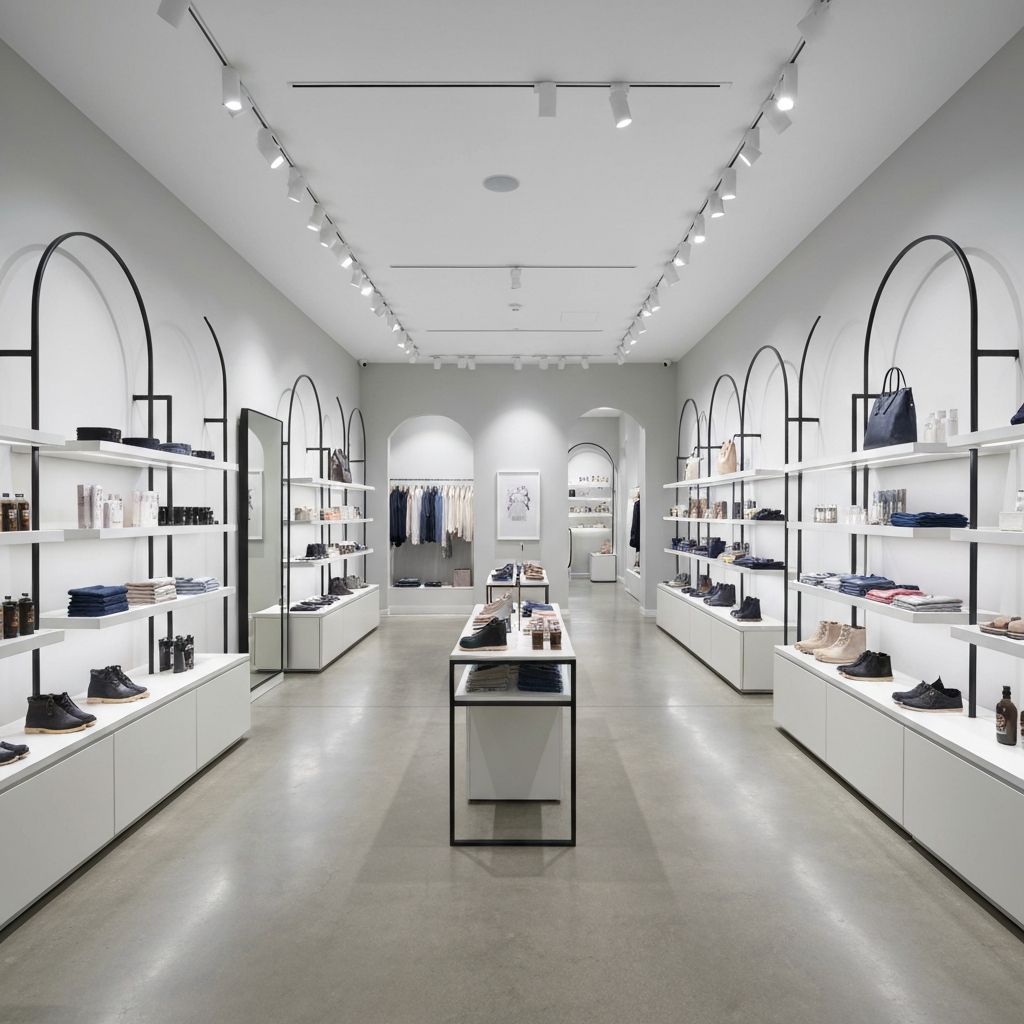
In retail, cleanliness is not a background detail—it is part of the product. Shoppers form an impression of your brand within seconds of walking through the door, and a smudged glass entrance, a dusty shelf, or a sticky floor can undo thousands of dollars spent on merchandising and marketing. A consistently clean store signals that you care about quality, which builds the trust that turns browsers into buyers and buyers into regulars. This guide walks through the practices that keep a retail environment both spotless and welcoming.
Why Store Cleanliness Directly Affects Sales
Customers associate visible cleanliness with product freshness, staff competence, and overall brand reliability. A tidy store encourages people to linger, touch merchandise, and explore—behaviors closely tied to purchase decisions. The reverse is also true: an unpleasant restroom or a grimy fitting room is one of the most common reasons a shopper quietly leaves and does not return. Cleanliness also affects your team. Staff working in a well-maintained space tend to take more pride in their displays and their service.
Focus on High-Traffic and High-Touch Zones
Not every square foot needs the same attention. The areas customers see and touch most deserve the most frequent care.
- Entrances and glass doors: This is the first thing shoppers see. Wipe fingerprints, clean tracks, and keep entry mats fresh so dirt is captured before it spreads inside.
- Checkout counters: A cluttered, sticky counter creates friction at the most important moment of the visit. Wipe and sanitize throughout the day.
- Fitting rooms: Remove stray tags, hangers, and debris after each use, and disinfect benches, hooks, and mirrors. A neglected fitting room kills conversions.
- Restrooms: Fair or not, customers judge your entire operation by your restroom. Stock supplies, disinfect fixtures, and check them on a scheduled rotation.
- High-touch surfaces: Door handles, cart and basket handles, payment terminals, and stair rails should be disinfected frequently, especially during cold and flu season.
Floor Care That Holds Up to Traffic
Floors take the heaviest abuse in any store and are among the most visible surfaces. The right routine depends on the flooring type, but a few principles apply across the board.
Match the Method to the Surface
- Hard floors (tile, LVT, polished concrete) need regular dust mopping to control grit that scratches finishes, followed by damp mopping or auto-scrubbing.
- Carpeted areas require daily vacuuming in traffic lanes and periodic hot-water extraction to lift embedded soil.
- Entrance zones benefit from walk-off matting that can trap a large share of the dirt tracked in from outside.
Prevent Slips and Falls
Wet floors are a liability. Use proper wet-floor signage, clean up spills immediately, and schedule wet-cleaning tasks for slower periods when possible. Consistent floor care protects both your appearance and your risk profile.
Daytime Cleaning Without Disrupting Shoppers
Many retailers rely on after-hours cleaning, but stores stay dirty between closings. A light daytime program—sometimes called day porter service—keeps things presentable during business hours. The key is discretion: work in quieter zones, use low-noise equipment, avoid strong chemical odors on the sales floor, and never block merchandise or aisles. Staff should be trained to pause and assist or step aside when a customer approaches.
Choosing Safe, Effective Products
Retail environments often mix food, cosmetics, apparel, and electronics, so product choice matters. Favor EPA-registered disinfectants for high-touch surfaces and follow the required contact time on the label—a surface must stay visibly wet for the specified duration to actually disinfect. Avoid heavily scented cleaners on the sales floor, since strong fragrances can overwhelm shoppers and clash with scented merchandise. Keep Safety Data Sheets accessible and store chemicals away from customer areas.
Build a Cleaning Schedule and Checklist
Consistency comes from systems, not memory. A simple tiered schedule keeps standards from slipping.
- Continuous / hourly: Restroom checks, entrance glass, checkout wipe-downs, spot floor cleanup.
- Daily: Full floor care, trash removal, dusting displays, sanitizing high-touch points.
- Weekly: Detail dusting of fixtures and shelving, baseboards, back-of-house areas.
- Periodic: Deep floor treatments, window washing, light fixture cleaning, HVAC vent dusting.
Documented checklists also make it easy to hold vendors accountable and to onboard new staff without loss of quality.
Partner With Naperville's Retail Cleaning Experts
Keeping a retail store consistently clean while running a business is a tall order, and the difference between a good store and a great one often comes down to details customers feel but never consciously notice. Naperville Janitors has spent more than a decade helping retailers across Naperville and the surrounding suburbs maintain the kind of spotless, welcoming spaces that keep shoppers coming back. Whether you need after-hours service, daytime porters, or a tailored floor-care program, our team can build a plan around your hours and traffic patterns. Contact us for a free, no-obligation quote and let us help your store make the right first impression—every single day.