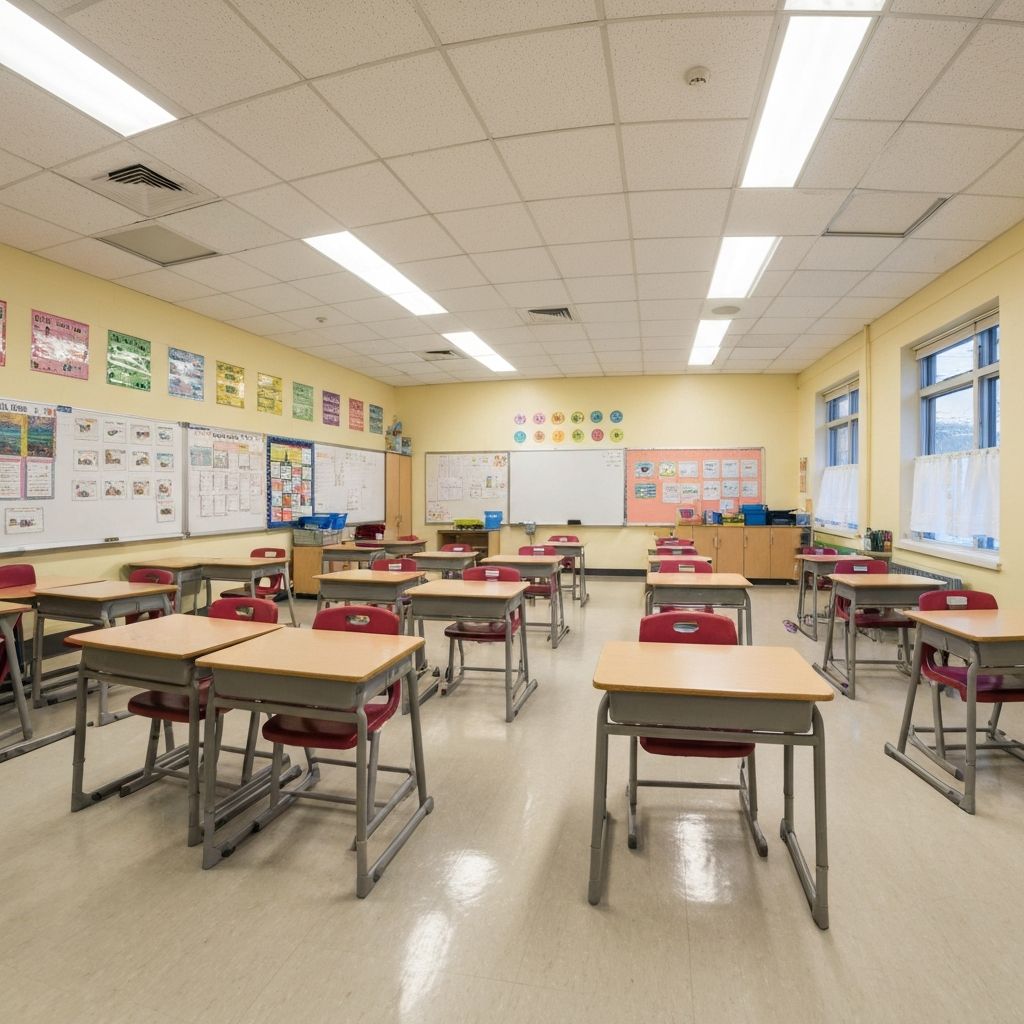
Schools are among the fastest places for respiratory viruses to spread. Hundreds of students share desks, doorknobs, cafeteria tables, and restrooms every day, and flu season turns that dense contact into a cycle of illness that drives up absences for students and staff alike. A thoughtful, science-based cleaning and disinfection strategy is one of the most effective tools a school has to break that cycle. This guide outlines the essential strategies for keeping schools healthier when flu season hits.
Understand the Difference: Cleaning vs. Disinfecting
These terms are often used interchangeably, but the CDC draws an important distinction, and using them correctly matters.
- Cleaning removes dirt and germs from surfaces using soap or detergent and water. It lowers the number of germs and the risk of spreading infection.
- Disinfecting uses chemicals to kill germs on surfaces. It's most effective when done after cleaning, because dirt can shield germs from disinfectants.
The CDC recommends that for most everyday situations, cleaning alone removes most germs; disinfecting is added when there is a higher risk of illness spreading, such as during flu season or when someone is sick. Cleaning first, then disinfecting high-touch surfaces, is the reliable order.
Prioritize High-Touch Surfaces
Viruses spread most readily through surfaces many hands contact. During flu season, these deserve frequent, scheduled disinfection—ideally at least daily and more often in high-traffic spaces.
- Doorknobs, handles, and push plates throughout the building.
- Desks, tables, and shared workstations, especially in classrooms with rotating groups.
- Light switches, handrails, and elevator buttons.
- Shared technology: keyboards, tablets, mice, and touchscreens.
- Cafeteria tables and trays, cleaned and disinfected between meal periods.
- Restroom fixtures: faucets, stall latches, dispensers, and flush handles.
- Water fountains and bottle-filling stations.
Use Disinfectants Correctly
A disinfectant only works if it's used the way its label directs. The most common mistake in schools is not honoring the contact time.
- Choose EPA-registered disinfectants effective against influenza viruses, and consult the EPA's registered product lists.
- Respect the contact time: the surface must stay visibly wet for the full duration on the label—often several minutes—to actually kill the virus. Wiping it dry immediately defeats the purpose.
- Ventilate during and after disinfecting, and follow label safety directions.
- Keep chemicals secured and away from students, and prefer products appropriate for use in occupied school environments.
Don't Overlook Indoor Air and Ventilation
Respiratory viruses also spread through the air, so surface cleaning is only part of the picture. Improving ventilation—bringing in more fresh air and using well-maintained filtration—helps reduce the concentration of airborne viruses. Cleaning crews and facilities staff should keep vents unobstructed, replace HVAC filters on schedule, and ensure classrooms aren't sealed off from adequate airflow. Clean air and clean surfaces work together.
Support Hand Hygiene
Handwashing remains one of the strongest defenses against the flu, and cleaning staff play a direct role in enabling it. That means keeping soap dispensers filled, paper towels stocked, and hand-sanitizer stations replenished and functional, particularly near entrances, cafeterias, and classrooms. A well-stocked restroom is a public health measure, not just a courtesy.
Respond Quickly When Illness Appears
When outbreaks climb, the cleaning response should intensify.
- Increase disinfection frequency for high-touch surfaces in affected areas.
- Clean and disinfect spaces used by anyone who became sick, waiting where possible and ventilating the area before and during cleaning.
- Coordinate with administration so cleaning schedules flex with absentee data and reported cases.
A rigid schedule that ignores what's actually happening in the building leaves gaps; a responsive one closes them.
Train Staff and Communicate Clearly
Even the best plan fails if the people executing it aren't trained. Cleaning staff should understand proper product use, contact times, the cleaning-then-disinfecting sequence, and which surfaces are priorities. Clear checklists and communication between custodial teams, school nurses, and administrators keep everyone aligned during the busiest, highest-risk weeks of the year.
Keep Naperville Schools Healthier This Flu Season
Protecting students and staff during flu season takes more than a quick wipe-down—it takes trained crews, the right EPA-registered products used correctly, and a plan that responds to what's happening in the building. Naperville Janitors has spent over a decade helping schools and educational facilities across Naperville and the surrounding suburbs stay clean, healthy, and ready for the demands of flu season. Our teams follow CDC and EPA guidance and build cleaning programs around each school's schedule and needs. Reach out for a free consultation and quote, and give your school a healthier season ahead.