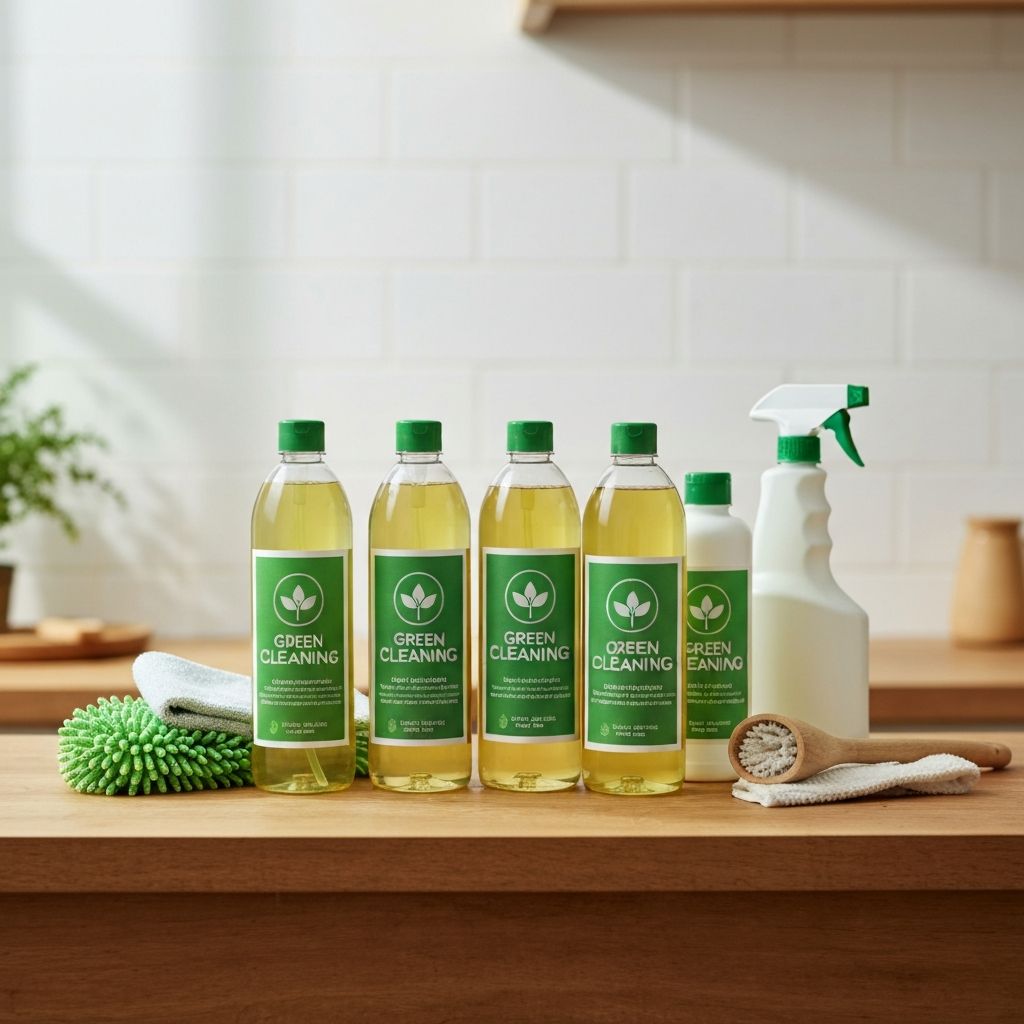
Green cleaning has moved well beyond a marketing buzzword. For facility managers weighing sustainability commitments against real operating budgets, the practical question is straightforward: do environmentally responsible products actually perform, and what do they cost compared to conventional cleaners? The honest answer is that the gap has narrowed dramatically over the past decade, and in many commercial applications green products now match or exceed traditional ones. Here's an evidence-based look at cost, performance, and where each approach makes sense.
What "Green" Actually Means
Not every product with a leaf on the label is genuinely green. To cut through greenwashing, look for third-party certifications rather than manufacturer claims. The most credible marks in commercial cleaning are Green Seal and the EPA's Safer Choice program, both of which evaluate products against standards for human health and environmental impact. UL ECOLOGO is another recognized certification. These programs assess ingredients, toxicity, biodegradability, and packaging, so a certified product has met a documented bar rather than a marketing department's imagination.
Performance: Where Green Products Stand Today
The old assumption that green cleaners are weaker no longer holds across the board. Reformulated surfactants and enzymatic and plant-derived cleaners now handle the majority of routine commercial tasks effectively.
- General surface and glass cleaning: Certified green all-purpose and glass cleaners perform on par with conventional products for daily office and retail environments. This is the clearest win for going green.
- Restroom and floor care: Green degreasers and neutral floor cleaners handle typical soil loads well. Very heavy grease or industrial buildup may still call for a stronger solvent-based approach on occasion.
- Disinfection: This is the important nuance. Disinfectants are regulated by the EPA as pesticides, and the greenest options such as hydrogen peroxide and citric acid based disinfectants can be highly effective, but you must verify the product is EPA-registered for the pathogens you need to kill and that you honor the required contact time. Never assume a cleaner disinfects.
Cost: The Real Numbers
Sticker price on green concentrates is often comparable to conventional equivalents, and sometimes slightly higher per unit. But per-unit price is the wrong metric. The meaningful comparison is total cost of use, which includes dilution ratios, labor, and downstream costs.
- Concentrates change the math: Most commercial green lines are sold as concentrates with dilution-control systems. When properly diluted, cost per ready-to-use gallon frequently lands at or below conventional ready-to-use products.
- Fewer products, less waste: Multipurpose green formulations can reduce SKU count, simplifying inventory and lowering waste.
- Health and liability savings: Lower VOCs and reduced harsh fumes mean fewer respiratory complaints, less need for aggressive ventilation, and reduced exposure risk for cleaning staff, which supports OSHA hazard-communication goals and can lower long-term liability.
- Reduced equipment wear: Milder, non-corrosive formulations are gentler on floors, fixtures, and surfaces over time, which protects your assets and defers replacement costs.
The Indoor Air Quality Factor
Traditional cleaners often release volatile organic compounds that linger in enclosed commercial spaces. In offices, medical suites, and schools, this matters. Green-certified products are formulated to minimize VOCs and harsh residues, which improves the air occupants breathe and reduces headaches and irritation complaints. For buildings pursuing LEED certification, using Green Seal or Safer Choice certified products contributes to credits under the operations and maintenance framework.
Where Traditional Products Still Have a Role
Being pragmatic matters. There are specific scenarios where conventional chemistry remains the right call: certain industrial degreasing tasks, some specialized disinfection situations, and remediation work. Heavy grease loads in commercial kitchens, biohazard cleanup, and mold remediation sometimes demand stronger agents to get the job done safely and completely. The goal isn't ideological purity; it's using the least-toxic effective product for each job. A well-run cleaning program uses green products as the default and reserves stronger conventional chemistry for the narrow set of tasks that genuinely require it, with proper ventilation and personal protective equipment when those products are in use.
Green Cleaning Services in Naperville
Choosing the right products is only half the equation; using them correctly, at the right dilution and with proper contact times, is what actually delivers results. Naperville Janitors builds green-forward cleaning programs for offices, medical facilities, and commercial buildings throughout Naperville and the surrounding suburbs, using Green Seal and Safer Choice certified products wherever they meet the performance need. With more than a decade of experience across 300-plus local clients, we can help you cut chemical exposure and environmental impact without sacrificing cleanliness. Reach out for a free quote and we'll show you a program tailored to your facility.