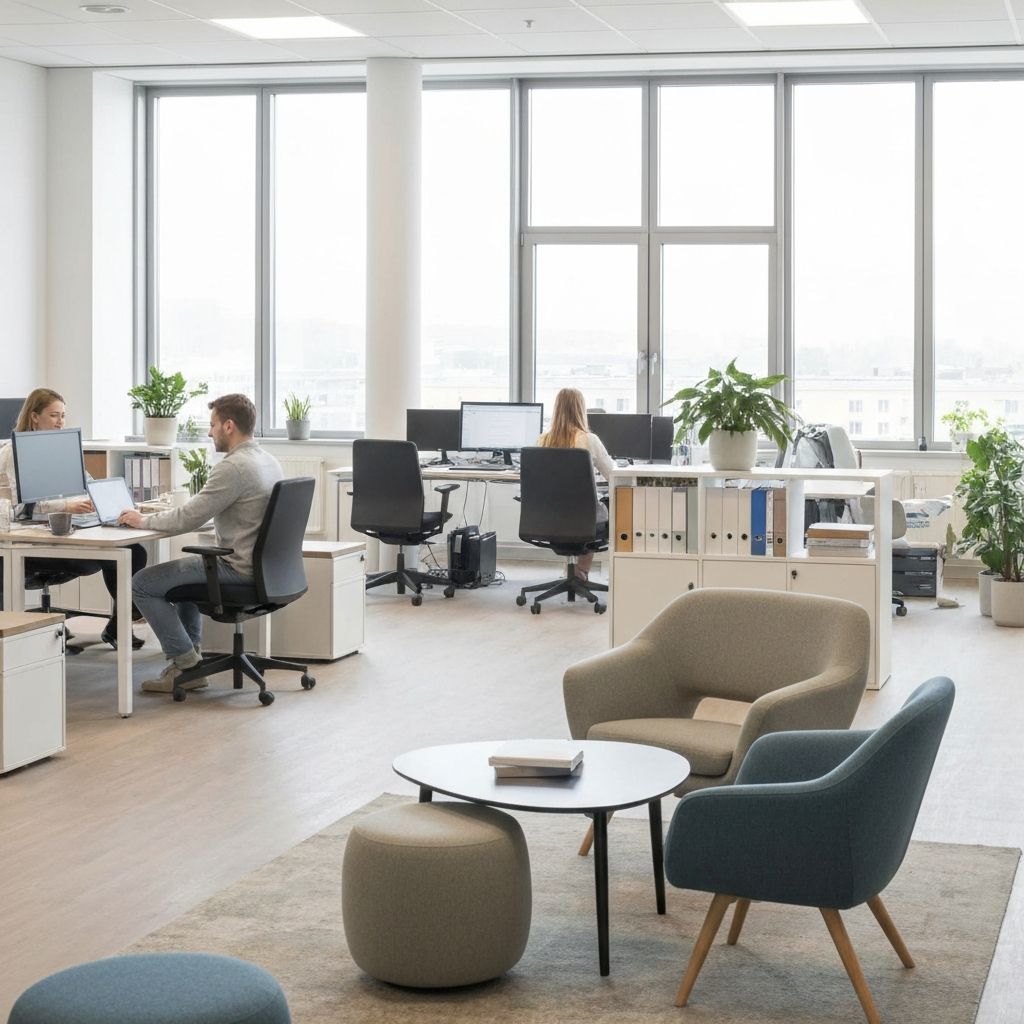
Absenteeism from colds, flu, and stomach bugs quietly drains productivity from every workplace. When one employee comes in sick and touches shared surfaces, illness can spread across an entire office within days. The encouraging news is that consistent, professional cleaning targeted at the right surfaces can dramatically reduce that transmission. Research widely cited across the cleaning industry shows that structured cleaning and hand-hygiene programs can cut the spread of workplace illness by a substantial margin, in many studies on the order of 80 percent for common infections.
Where This 80 Percent Figure Comes From
The claim is grounded in well-documented public health findings rather than marketing hype. The CDC has repeatedly emphasized that hand hygiene and surface disinfection are among the most effective ways to interrupt the transmission of respiratory and gastrointestinal illness. Studies referenced by the ISSA and workplace health researchers have found that combining routine disinfection of high-touch surfaces with accessible hand sanitizer and hand-washing education can reduce absenteeism and infection rates dramatically, in some published office and school studies by roughly 80 percent for targeted illnesses. The exact figure varies by setting, but the underlying principle is consistent: reduce the pathogens on surfaces and hands, and you reduce how often people get sick.
How Illness Actually Spreads in an Office
Most workplace transmission happens through two routes: airborne respiratory droplets and contaminated surfaces. While ventilation addresses the air, surface transmission is where cleaning has the biggest impact. Viruses like influenza and norovirus can survive on hard surfaces for hours to days, meaning a single contaminated doorknob can infect person after person.
The High-Touch Surfaces That Matter Most
- Door handles and push plates are touched by nearly everyone who enters a space.
- Shared electronics such as keyboards, phones, and touchscreens harbor bacteria for days.
- Break room fixtures including refrigerator handles, microwave buttons, and coffee machines.
- Restroom touchpoints like faucets, stall latches, and dispensers.
- Elevator buttons and stair railings in multi-tenant commercial buildings.
Why Professional Cleaning Outperforms Ad-Hoc Efforts
Wiping a desk once a day is not the same as a disciplined disinfection program. Professional cleaners make the difference through three factors that in-house routines usually miss.
1. Correct Products Used Correctly
Effective disinfection depends on using an EPA-registered disinfectant and honoring its required dwell time, the number of minutes a surface must stay wet for the product to actually kill pathogens. Most casual wiping fails this basic step, leaving surfaces that look clean but remain contaminated.
2. Consistency and Frequency
Illness prevention is about reliability. A professional schedule ensures high-touch points are disinfected every service visit, not just when someone remembers. During flu season or an active outbreak, frequency can be increased to match the elevated risk.
3. Proper Technique and Cross-Contamination Control
Trained crews use color-coded cloths and one-directional cleaning to avoid spreading germs from restrooms to break rooms. This is a core practice promoted by ISSA cleaning standards and is difficult to maintain without training.
Pairing Cleaning With Hand Hygiene
Surface disinfection is most powerful when combined with easy hand hygiene, which is exactly the combination the CDC credits for the largest reductions in transmission. Well-stocked soap and paper towels in restrooms, hand sanitizer stations at entrances and in shared areas, and simple signage encouraging hand washing all reinforce the work your cleaning crew does. Neither approach alone is as effective as the two together, because germs move both by surface and by hands, and closing one path while leaving the other open limits your results.
The Business Case for Fewer Sick Days
Every avoided illness is an avoided absence. Beyond the direct cost of lost productivity, sick employees who come to work anyway spread infection and perform below capacity, a phenomenon researchers call presenteeism that can cost more than absence itself. A clean, well-disinfected environment protects both your headcount and your bottom line, and it signals to staff and clients that you take their wellbeing seriously. During flu season, a single well-timed increase in disinfection frequency can be the difference between one sick employee and a wave of them.
Protecting Naperville Workplaces
Naperville Janitors builds disinfection programs designed around how your specific facility is used, from busy offices to medical suites where infection control is critical. Serving more than 320 businesses across Naperville and nearby suburbs for over ten years, our crews are trained in EPA-compliant disinfection, proper dwell times, and cross-contamination control. If reducing sick days and protecting your team is a priority, reach out for a free quote and we will design a cleaning schedule that keeps your workplace healthier.